


The Ultimate Dog Grooming Tool Guide: Which Brush or Comb Does Your Floof Actually Need?
If you’ve ever stood in the grooming aisle wondering:
- what’s the best brush for my dog?
- do I need a slicker brush or a comb?
- how do I prevent mats in doodles?
- what grooming tools should I actually use?
You’re not alone.
The truth? The right grooming tool makes all the difference. Using the wrong brush can cause tugging, breakage, and frustration — for both you and your dog.
So let’s break it down: when to use the Brodie Brush (Large), the Mini Brush, and the Everydog Comb — and which floofs they’re best for.
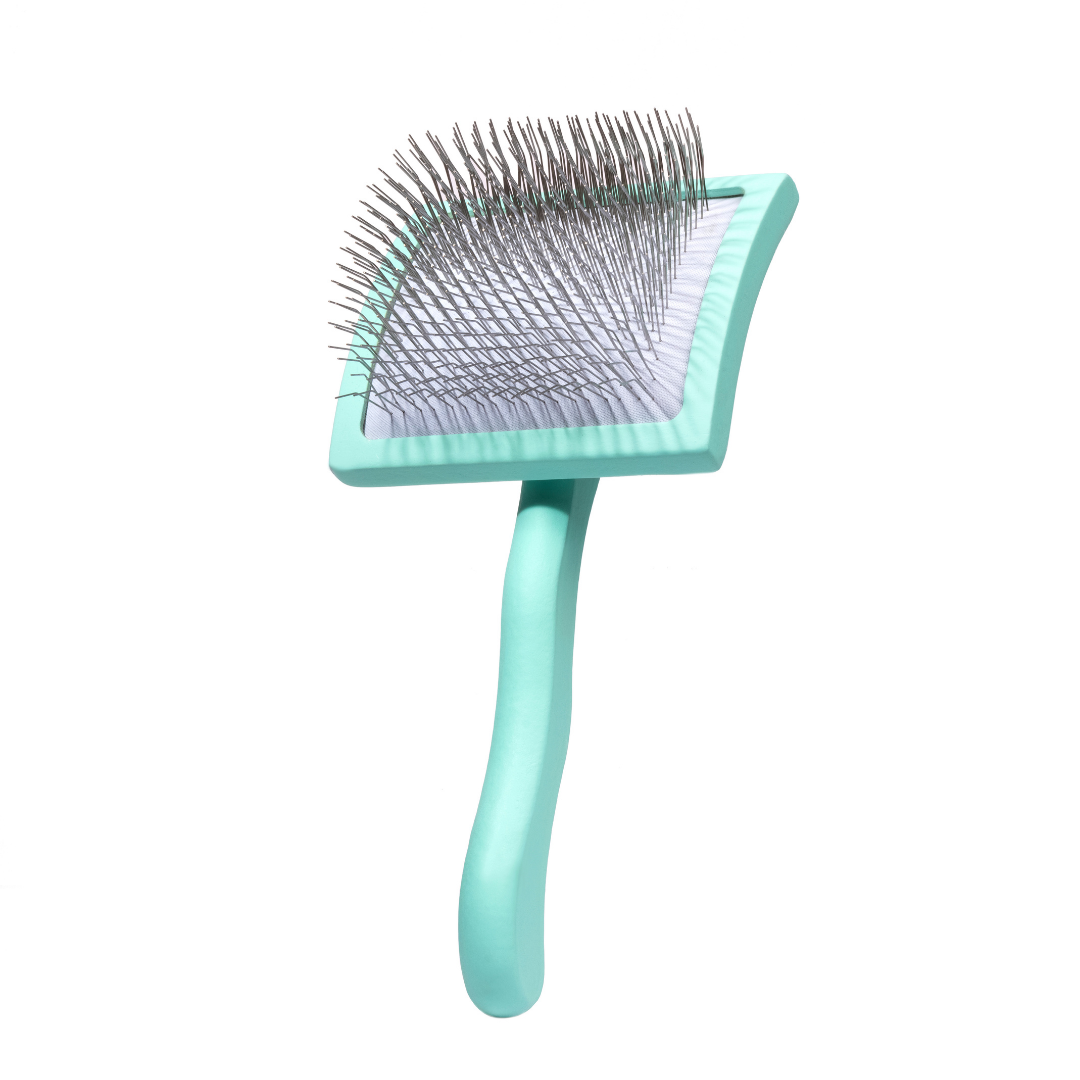
1️⃣ The Brodie Brush (Large)
Best for: Medium to Large Dogs + Heavy Shedding + Full Body Grooming
If your dog:
- Sheds seasonally
- Has a double coat
- Has thick or long fur
- Needs full-body brushing
- Leaves tumbleweeds of hair on your floor
This is your everyday hero.
When to Use It:
- Daily during shedding season
- After outdoor adventures
- Before and after baths
- As part of your regular grooming routine
Why It Works:
The Brodie Brush is designed to:
- Remove loose undercoat
- Reduce dog shedding
- Prevent matting
- Distribute natural oils
- Stimulate healthy skin
It’s especially effective for:
- Golden Retrievers
- Labs
- Doodles
- Shepherds
- Huskies
- Large mixed breeds
If you’re searching for the best brush for shedding dogs, this is it.
2️⃣ The Mini Brush
Best for: Small Dogs + Sensitive Areas + On-the-Go Grooming
Small dog? Puppy? Travel kit? The Mini Brush is your precision tool.
When to Use It:
- For small breeds
- Around the face and ears
- On paws and legs
- For puppies getting used to grooming
- For quick touch-ups
Perfect for:
- Cavapoos
- Maltipoos
- Yorkies
- Shih Tzus
- Mini Doodles
- Any floof with delicate features
It’s also great as a secondary tool for larger dogs — especially for tight spots where a full-size brush feels bulky.
If you’re looking for the best brush for small dogs, this one keeps things gentle and controlled.
3️⃣ The Everydog Comb
Best for: Detangling + Mat Prevention + Finishing Work
The comb is your detail tool.
While brushes remove loose hair, combs:
- Detect hidden tangles
- Break up small knots
- Finish the coat smoothly
- Help prevent matting
When to Use It:
- After brushing
- On damp fur post-bath
- During shedding season
- On curly or textured coats
Especially important for:
- Goldendoodles
- Sheepadoodles
- Poodles
- Long-haired breeds
- Dogs prone to matting
If you’re Googling how to prevent mats in doodles, the answer is: brush first, comb second.
The comb ensures you didn’t miss anything.
The Right Order: How to Use These Grooming Tools Together
For the ultimate spring grooming routine:
- Brush with the Brodie Brush (or Mini Brush for small dogs)
- Follow with the Everydog Comb to check for tangles
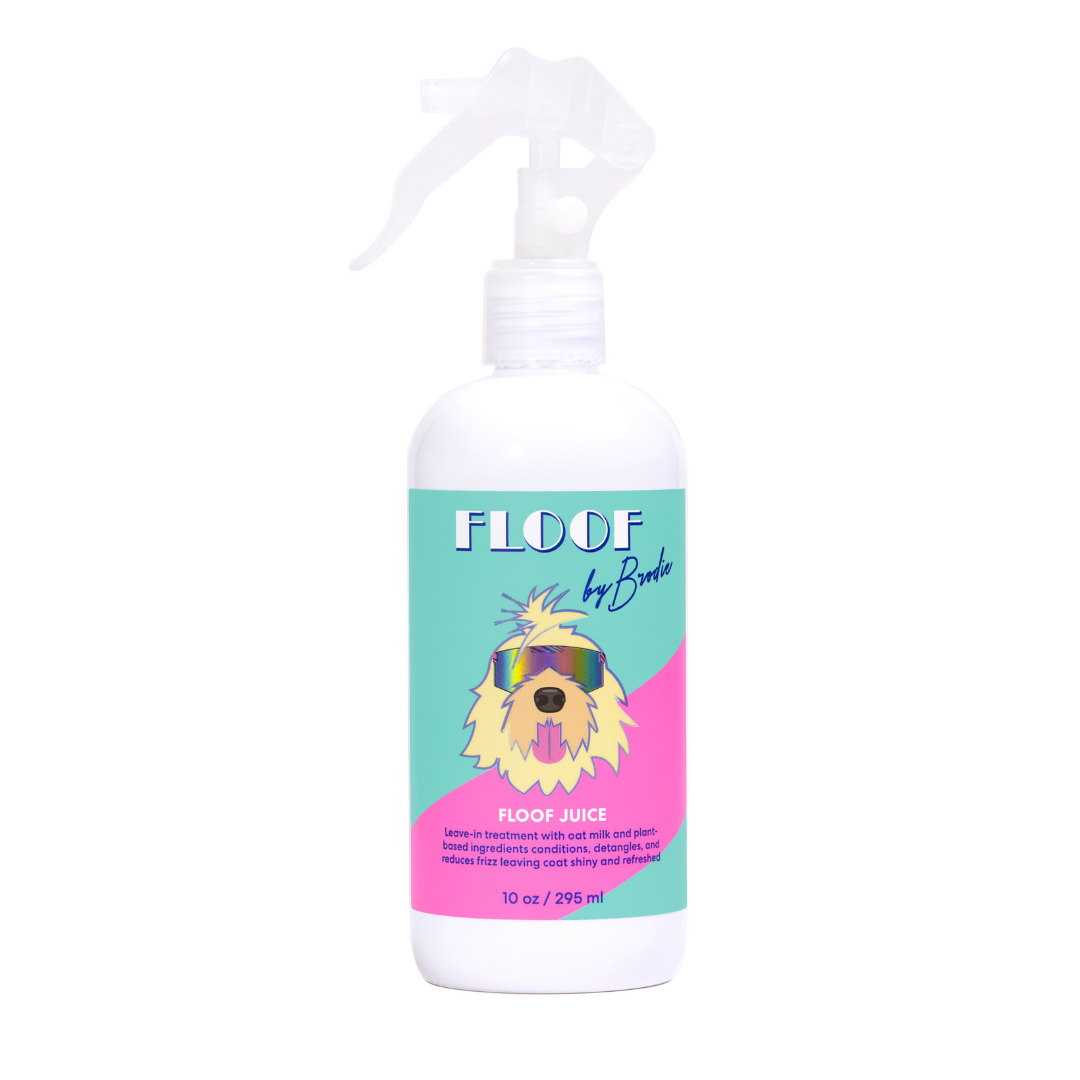
- Finish with a light spritz of Floof Juice for shine and freshness
On bath days:
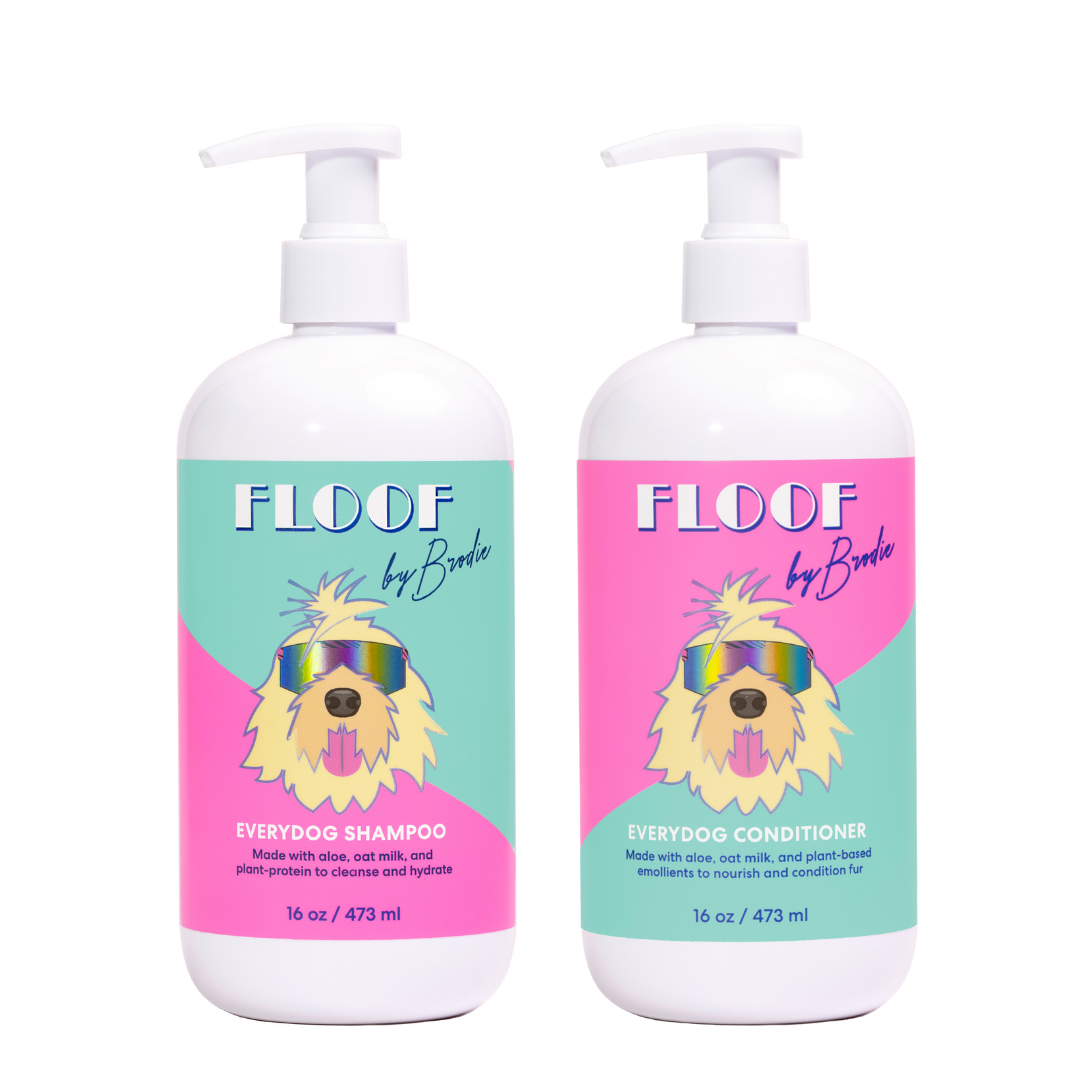
- Shampoo
- Conditioner
- Towel dry
- Brush
- Comb
That’s how you prevent matting and reduce shedding long term.
How Often Should You Brush Your Dog?
General guide:
- Heavy shedders: Daily during seasonal shedding
- Doodles / curly coats: 4–5x per week
- Short coats: 2–3x per week
- Small breeds: 3–4x per week
Consistency matters more than intensity.
Five minutes daily beats one long battle session.
The Bottom Line: The Tool Matters
Using the wrong grooming tool can:
- Increase breakage
- Cause skin irritation
- Leave hidden mats
- Make brushing stressful
Using the right one?
It turns grooming into a bonding ritual — not a wrestling match.
Ready to Upgrade Your Grooming Routine?
Build your tool kit:
Because a well-groomed floof isn’t luck.
It’s the right tools — used consistently.